1. Learn before you build
Cordyceps is grown in sterile conditions, and most failures come from contamination. Hands-on training — preparing media, working at a flow hood, inoculating and fruiting — saves months of trial and error. Our training runs online or in person, with a certificate on completion.
2. The space
- A clean, closed room you can keep dust-free — many people start with a single small room.
- Temperature control — typically around 18–22 °C during growth.
- High humidity in the fruiting stage — usually 80–90%.
- Controlled light — LED lights on a timer once fruiting begins.
- Separate areas for preparation, inoculation and growing if you can.
3. Basic equipment
- Autoclave or large pressure cooker (sterilising)
- Laminar air flow hood (clean work area for inoculation)
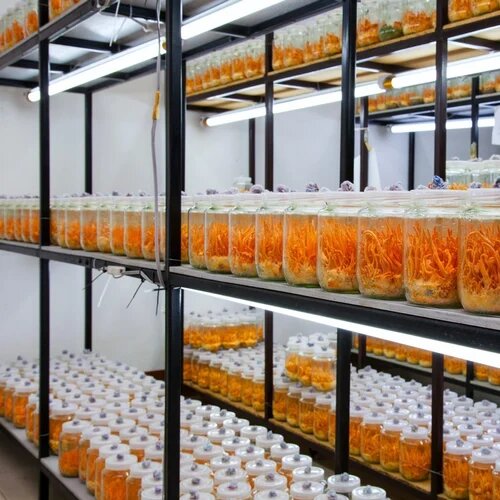
- Glass or polypropylene jars and racks
- Air conditioner, humidifier and a thermo-hygrometer
- LED grow lights with a timer
- A strong, reliable master culture
4. The growing cycle
- Prepare a substrate of brown rice (or other grain) with a nutrient broth in jars.
- Sterilise the jars and let them cool.
- Inoculate with liquid culture under the flow hood.
- Incubate in the dark for about a week while the culture spreads.
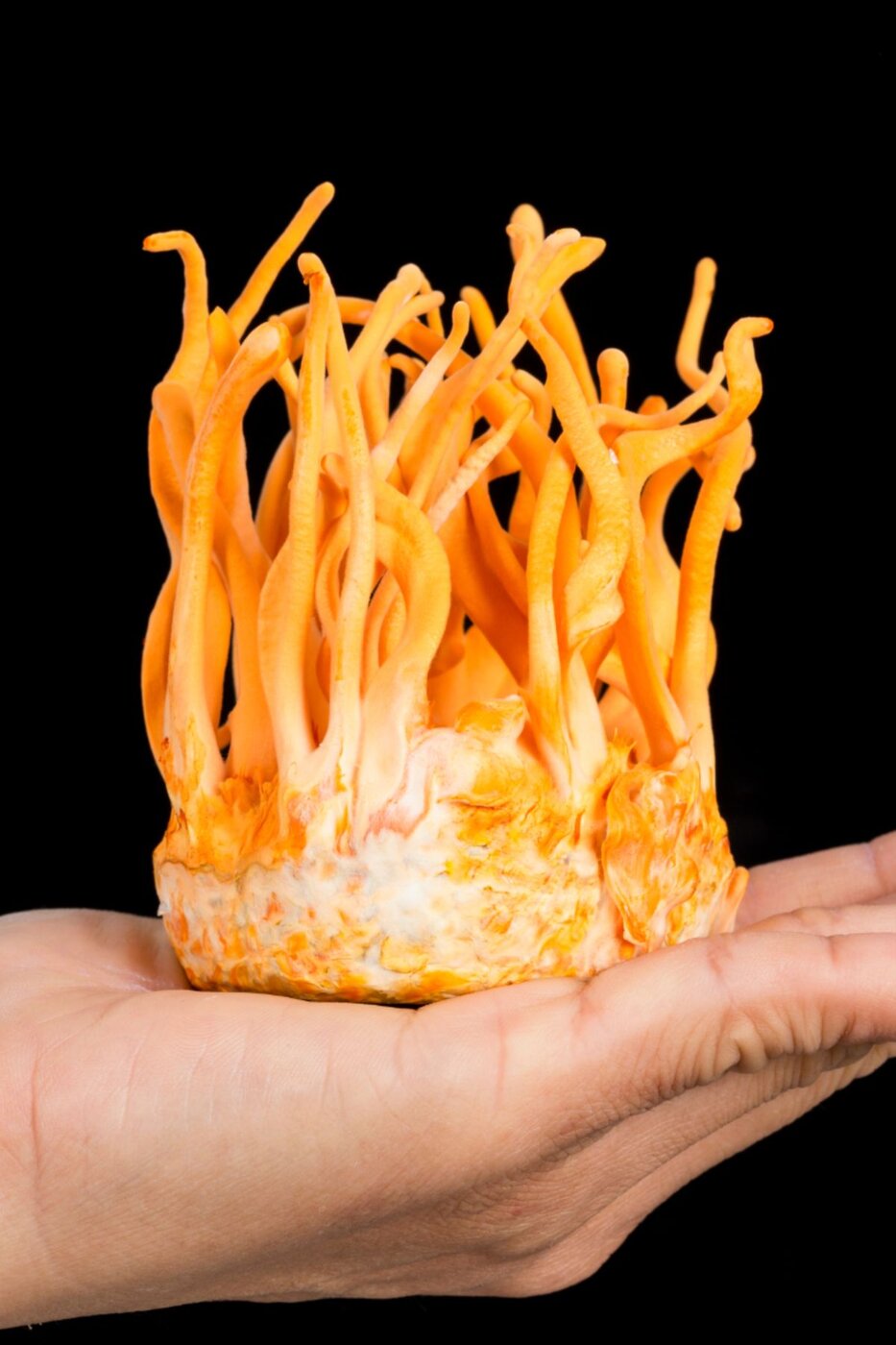
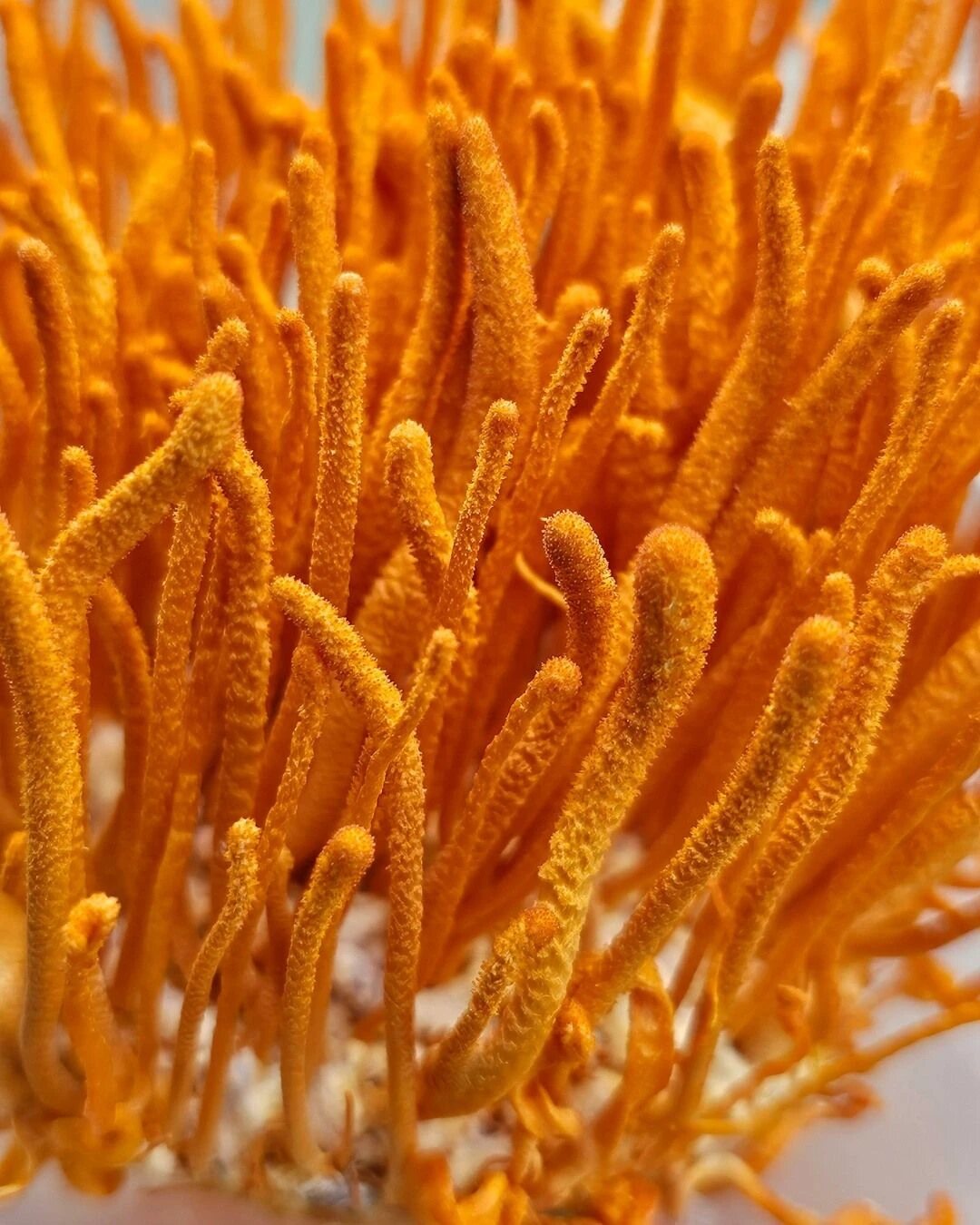
- Move to light; orange fruiting bodies grow over the following weeks.
- Harvest by hand, then dry gently at low temperature.
A full cycle usually takes around two months, and you can run batches back-to-back once the room is set up.
5. Mistakes to avoid
- Skipping proper sterilisation or working outside a flow hood.
- Buying cheap, weak or unverified cultures.
- Poor control of temperature, humidity and light.
- Drying at high heat, which can reduce cordycepin.
- Starting without a plan for who you will sell to.
6. Selling your harvest
Buyers will ask for quality: get your cordycepin tested by HPLC, keep batch records, package well and check the FSSAI registration you need to sell food products.
Start with the right partner
Hands-on training and turnkey lab setup — we stay with you until your first harvest.