Standardized cordyceps extract is straightforward to formulate once you treat the cordycepin percentage as the unit of account rather than the milligrams of powder. This guide walks through the decisions a formulator faces taking a 10:1 extract into a capsule line.
Start from the claim, not the fill weight
Decide the cordycepin dose you want to deliver per serving, then work backwards. With an extract standardized to ≥ 0.3% cordycepin, a 500 mg fill delivers a floor of 1.5 mg cordycepin. If your claim needs more, either raise the fill weight or specify a higher-standardized lot — do not assume the powder mass is the active dose.
| Fill weight | Cordycepin (floor) | Typical use |
|---|---|---|
| 300 mg | ≥ 0.9 mg | Blend component |
| 500 mg | ≥ 1.5 mg | Single-ingredient daily |
| 650 mg | ≥ 2.0 mg | High-dose positioning |
Excipients and flow
The extract is a fine, slightly hygroscopic powder. A small amount of a flow aid and a moisture-tolerant capsule shell handle most encapsulation issues. Keep the excipient load low so the label stays clean and the active percentage stays honest.
- Flow aid (e.g. rice hull concentrate) at the minimum that gives consistent fill weights.
- Moisture control — the extract sits below 8% moisture; protect it through blending.
- Avoid high-shear steps that generate heat near the heat-labile actives.
QA checks that keep the claim defensible
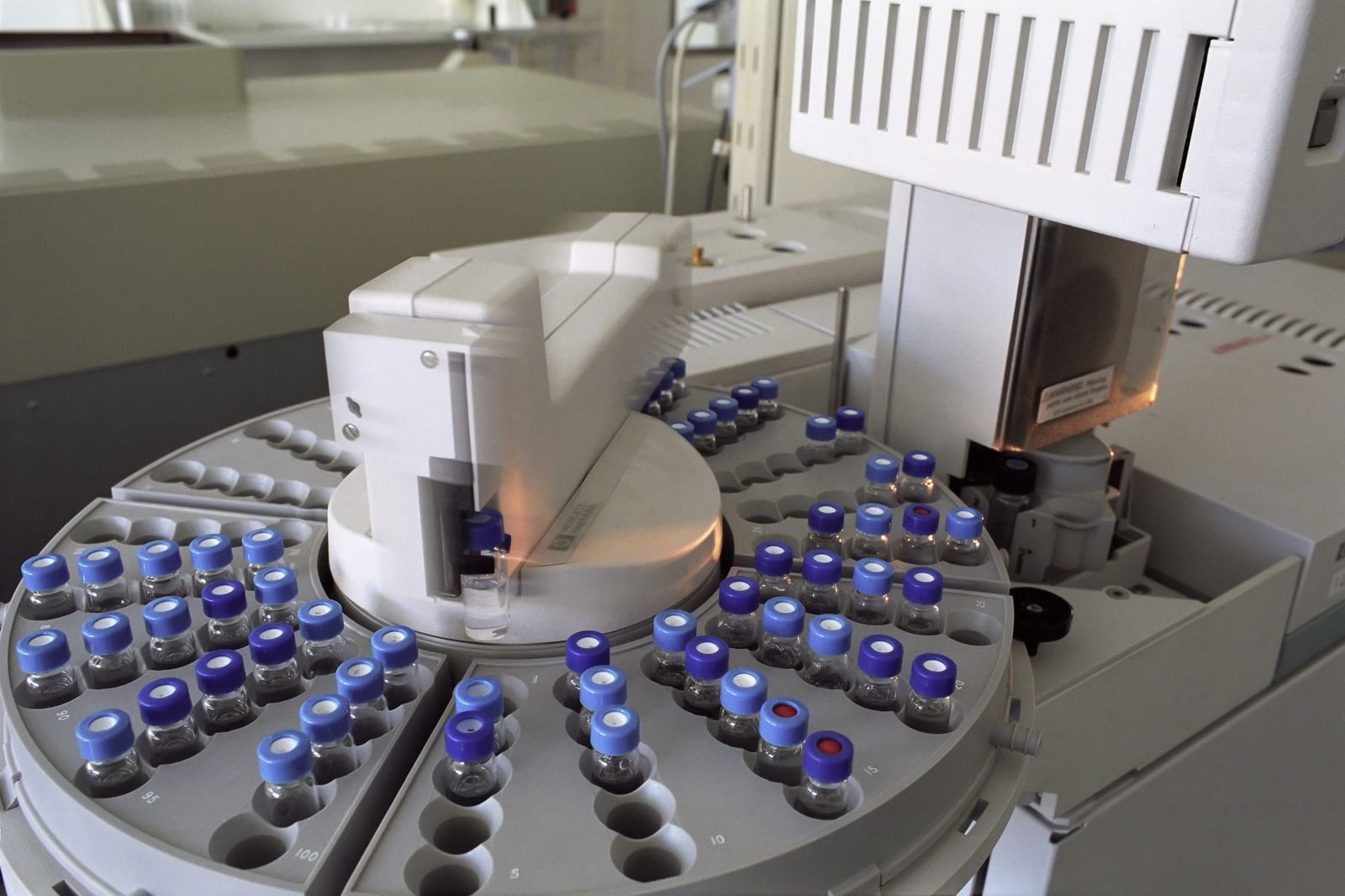
Carry the supplier's per-lot COA into your own release spec. Re-assay cordycepin on the finished capsule if your claim is on the label — an in-process standardized number is not the same as a finished-product number, and regulators care about the finished form.
Send us your target cordycepin dose and batch size — we'll scope a sample against your spec.
From pilot to production
Run a pilot against a single reserved lot, lock the spec, then request that production draws from lots meeting the same standardized floor. Because every Terravia lot ships with its own HPLC number, you can hold production to the exact figure your pilot validated.